How Soon After Having Pups Will a Rat Go Into Heat Again
One time y'all have picked your breeders, chosen a breeding scheme and put them together in a breeder cage (come across our previous blog article), information technology'southward a game of patient watching, while supporting your animals the best yous can through those very high enervating stages of the reproductive cycle: gestation and lactation.
From Mating to Delivery
Understanding the Estrus Cycle
In rodents, the reproductive cycle, called the estrous cycle, lasts approximately four-5 days andincludes 4 phases (1, ii):
- Proestrus: pre-ovulation period characterized by a decline in progesterone and the development of both the endometrium and ovarian follicles, that terminal 12-24 hours.
- Estrus: ovulation stage where a female person is in heat i.due east. receptive to a male person and to mating. This stage lasts about 12-48 hours.
- Metestrus: quiescent period if fertilization and implantation practise non occur, when the activities of reproductive organs gradually subside.
- Diestrus: short catamenia of residue in between cycles, lasting ~48-72 hours. Rats and mice are polyestrus, meaning that they get multiple estrus cycles throughout the yr.Yous can as well hear the term "anestrus": this stage is not part of the estrous bicycle, but a prolonged period of sexual rest where the reproductive organisation is quiescent.
Supporting Healthy Pregnancy
When fertilization occurs, the boilerplate gestation fourth dimension is nineteen-21 days for mice and 21-23 for rats. One time the female is fertilized, dissimilar choice are available for the male person (3):
- If you lot aim for timed pregnancies or for pups of the same age, the male tin be removed merely after the vaginal plug is seen (come across our blog our timed pregnancies).
- With continuous matings, the male is left with the females at all time. Postpartum rut occurs within 24 hours of parturition, and the female is likely to
become pregnant again while lactating and nursing the new litter, maximizing productivity. - If you lot opt for non-continuous breeding, the male tin be removed but before birth, maximizing the female's available energy for lactation and pup rearing) or just after the litter is born, utilizing the postpartum estrus, while providing more space for pup rearing.
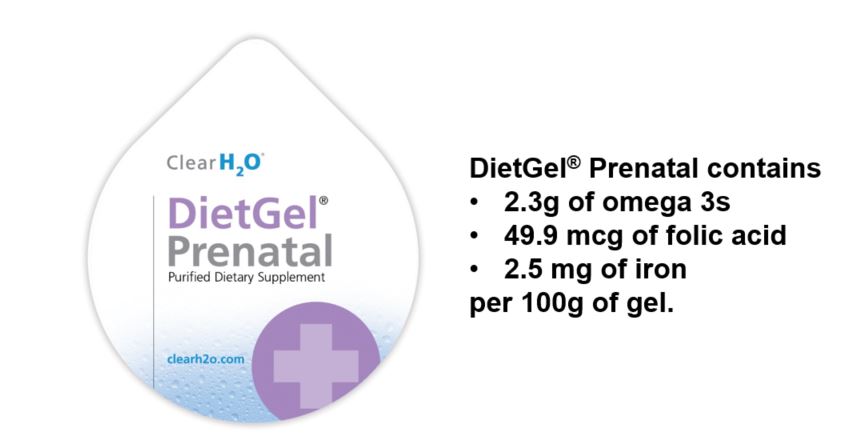
Nutritional needs are high during gestation: Omega3s (peculiarly DHA) are essential to ensure optimal fetal brain, eye, immune and nervous system development; folate (Vitamin B9) is needed for the closure of the neural tube; and iron in response to the increased claret volume to assist the growth of the fetus, the placenta and the maternal tissues (run into our blog on rodent gestation needs). Brand sure to provide your breeders with appropriate nutrition!
REQUEST YOUR Gratis SAMPLES NOW!
Assisting Parturition
Mice and rats ordinarily deliver during the night, with each pup being delivered ~15-30 minutes apart (iv). Pups are discovered by the creature caretaker during the outset forenoon bank check, and some issues can be seen at that point. Pelvic organ prolapse (protruded vagina or uterus) (5) and dystocia (divers as difficult or obstructed labor) (6), are issues associated with parturition (run into prevention and treatments in our blog on dystocia).
After pups are born, the muzzle is left undisturbed for at least three days except for replenishing of food and h2o. If a cage modify is needed, transfer the female to a new muzzle, and then gently scoop the whole littler with bedding and nesting fabric to the new cage to transfer scent and avoid rejection or cannibalism of the litter by the female (see our ii previous blogs on cannibalism:How to Reduce Cannibalism in Your Rodent Colonies &Cannibalism in Laboratory Rodents: Stressors to Avoid)
Pup Rearing
Supporting the High Demands of Lactation
Litter size varies depending on the strain or genetic groundwork of the animals, simply on average, mice will give six-8 pups per litter, while rats may become up to 6-12 babies per litter.Female mice have 5 pairs of mammary glands and nipples (3 pectoral and ii inguinal) while rats have vi pairs (3 of each). Mice and rats babies are born with no fur, they are bright pink (hence why they are sometimes chosen "pinkies"). Their eyes and ear canals are sealed, and a white spot (stomach full of milk) is visible on their left side if lactation is going well (seven). At day two-3, their ears offset to come away from the head; at 24-hour interval seven their fur starts to appear, and at day 14, their eyes open up. Afterward that, they start eating solid food and increase in weight and size.
During lactation, the mouse achieves a third of its growth, imposing a high nutritional burden on the female: healthy fats for brain and eye evolution,loftier protein for growth, calcium and vitamin D for strong bones (see our bog on lactation). Back up your females past providing them with a high protein supplement such as DietGel® Prenatal.
Weaning Rodent Pups
For both mice and rats, pups are unremarkably weaned at 21 days of age. In specific circumstances, some pups might do good from an extra week with the mom, and later weaning at 28 days of age. Those include modest, weak, runt pups from specific strains such as certain inbred or genetically modified strains. In any case, limit the cage to a single generation, and wean the older litter before the new litter is born (8). This helps forestall overcrowding of the cage, which can exist a significant welfare upshot as minor animals run the gamble to be trampled and killed.
Weanlings should be separated past sex, and males from different litters should non be combined to avert fighting (especially in mice). Females can be combined more easily. In their new muzzle, weanlings can sometimes accept a difficult time in the start few days to detect the water source and food source, and bloodshed is sometimes observed after weaning. To forbid that, only provide a reachable source of water and food.

Asking YOUR FREE SAMPLES At present!
Helping the Females Recovery
In two studies, washed in collaboration with Indiana University (9) and Maine Medical Center Inquiry Plant (ten), breeding females were establish to take significantly higher body weights during and afterwards lactation, suggesting quicker recovery after birth. Anecdotal evidence suggests that females given DietGel® Prenatal are quicker to rebreed, and prove a decreased time in between litters. A study is currently ongoing to appraise those measurements.
To larn more than, check out our Breeding Support blog series
References:
(1) Estrous Cycle
(2) Staging of the estrous bike and induction of estrus in experimental rodents: an update
(3) Rat Convenance and Housing Density, Indiana Academy
(4) Common Rodent Treatments – McGill University
(5) Pelvic organ prolapse in fibulin-v knockout mice: pregnancy-induced changes in elastic fiber homeostasis in mouse vagina
(6) Health Evaluation of Experimental Laboratory Mice
(seven) JAX® Mice Pup Advent by Age
(viii) Guidelines for Direction and Maintenance of Rodent Breeding Colonies – University of British Columbia
(9) Evaluation of Six Manufacture Diets on the Reproductive Success of DBA-2 Mice – Indiana Academy
(10) DietGel® Prenatal Improves C57BL/6J Breeding Functioning and Pup Wellness – Maine Maine Center Inquiry Institute
Source: https://www.clearh2o.com/2021/07/06/breeding-mice-rats-part-2-how-to-support-pregnancy-and-pup-rearing/
0 Response to "How Soon After Having Pups Will a Rat Go Into Heat Again"
Enregistrer un commentaire